Skip to main contentEngineering Courses, Mentoring & Jobs | EveryEng
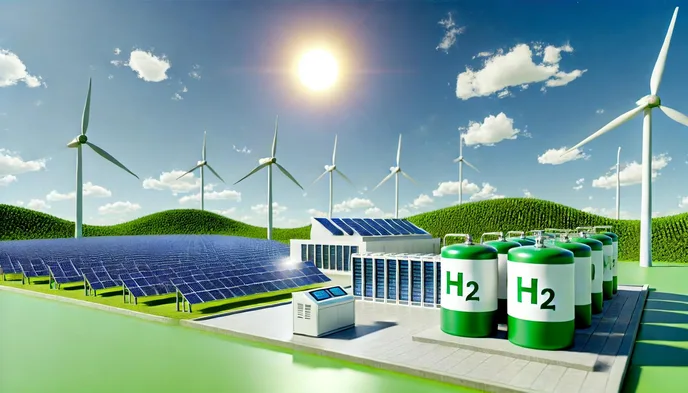
Renewable Energy (Solar and Wind) with ESS and Decarbonization Technologies banner
Live Online Class Beginner

Renewable Energy (Solar and Wind) with ESS and Decarbonization Technologies

47 enrolled
2232 views
COMPLETED

Tell us and we’ll notify you when the next batch is scheduled.

1 hr
Dec 8, 2024 · 6:00 AM
English , Hindi
2232 views
Dr Bhawani Singh Rathore
Dr Bhawani Singh RathoreRenewable Energy Coach and Consultant
  • Session recordings included
  • Foundational Learning
  • Access to Study Materials
  • Self-Paced Learning

Is this course for you?

You should take this if

  • You work in Oil & Gas or Energy & Utilities
  • You're a Data Science & Analysis / Electrical professional
  • You prefer live, instructor-led training with Q&A

You should skip if

  • You need a different specialisation outside Data Science & Analysis
  • You need fully self-paced, on-demand content

Opportunities that await you!

Career opportunities

Certifications

Training details

This is a live course that has a scheduled start date.

Live session

Started

Sun, Dec 8, 2024 Ended

6:00 AM UTC· your timezone

Duration

1 hour per day

Why people choose EveryEng

Industry-aligned courses, expert training, hands-on learning, recognized certifications, and job opportunities-all in a flexible and supportive environment.

COMPLETED

Dec 8, 2024 · 6:00 AM

Questions and Answers

A: Energy Storage Systems (ESS) enhance effectiveness by storing excess energy generated during peak production times and releasing it when generation is low or demand is high. This helps to mitigate the intermittency of solar and wind power, ensuring a more reliable and stable electricity supply. ESS technologies include batteries (lithium-ion, flow batteries), pumped hydro, and thermal storage. By smoothing out supply fluctuations, ESS facilitates higher penetration of renewables and improves grid resilience. More information is available from the U.S. Department of Energy: https://www.energy.gov/eere/solar/solar-energy-technologies-office-energy-storage

A: Solar panel production involves mining and processing raw materials such as silicon, silver, and rare earth elements, which can lead to environmental impacts including habitat disruption, water use, and chemical waste. Manufacturing processes consume energy and may release hazardous substances if not managed properly. At the end of their lifecycle, panels contain materials like heavy metals that require safe disposal or recycling to prevent pollution. However, advancements in recycling technologies are improving material recovery rates, reducing environmental footprint. Overall, lifetime emissions of solar panels are significantly lower than fossil fuels. For a comprehensive lifecycle analysis, consult the IEA's PVPS report: https://iea-pvps.org/key-topics/lifecycle-assessment/

A: Power electronics are critical in renewable energy integration as they manage the conversion, control, and conditioning of electrical power from renewable sources to the grid or loads. In solar PV systems, inverters convert DC electricity from panels to AC electricity for the grid. In wind turbines, power electronic converters regulate the variable output, allowing operation at optimal speeds and ensuring grid compatibility. Power electronics also enable functions like voltage regulation, reactive power support, and fault ride-through capabilities, which enhance grid stability and enable higher renewable penetration. The IEEE provides detailed standards and studies on this topic: https://ieeexplore.ieee.org/document/8350197

A: Decarbonization in energy systems refers to the process of reducing carbon dioxide emissions associated with energy production and consumption. It involves transitioning from fossil fuels to cleaner energy sources such as renewables, enhancing energy efficiency, and adopting technologies like Carbon Capture and Storage (CCS). This process is critical to mitigate climate change, improve air quality, and comply with international climate commitments such as the Paris Agreement. Decarbonization supports sustainable development and energy security. The International Energy Agency provides comprehensive resources on this topic: https://www.iea.org/topics/decarbonisation